Is Global Entry Worth It? What the CBP Wait Data Shows
CBP data puts the average U.S. citizen's passport-control wait at 13 to 15 minutes at the biggest gateways, and flags the slow windows where Global Entry pays off.
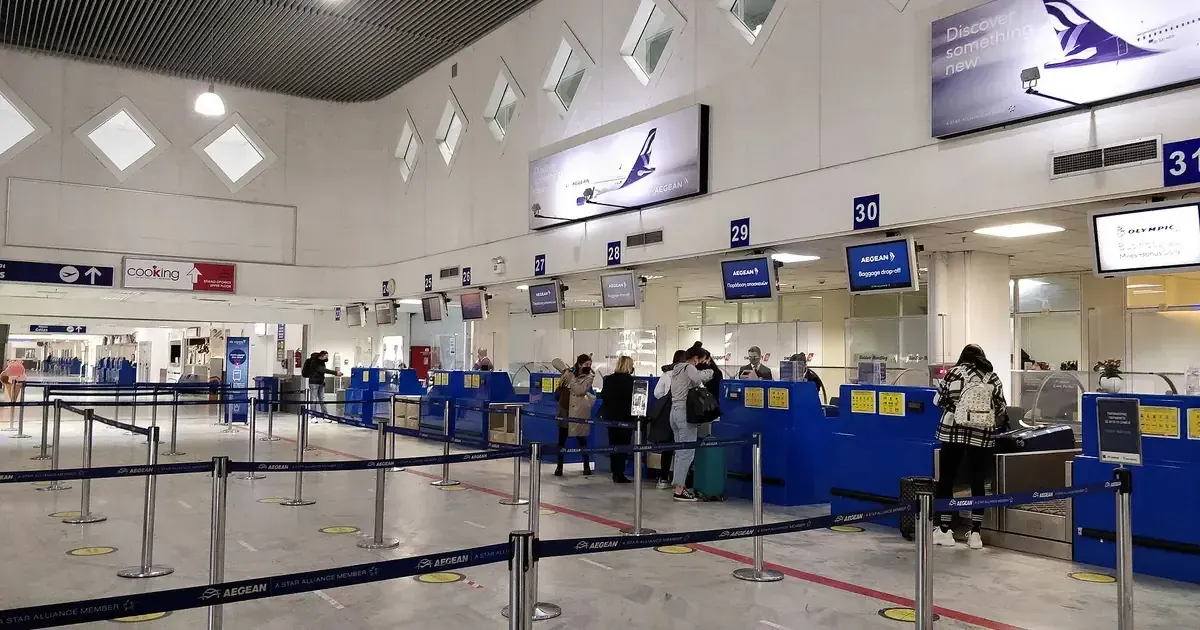
Global Entry costs $120 for five years, which is $24 a year. Whether that’s worth it depends on the line it lets you skip, and CBP publishes that line. Its Airport Wait Times service records how long every international arrival waited at passport control, flight by flight. FlyIndex compiles a year of those records, September 2025 to September 2026, for 42 U.S. airports.
The numbers are more modest than the reputation. That changes the argument, but it doesn’t flip the answer.
What the line actually costs
Global Entry is for U.S. citizens, permanent residents and a short list of partner countries, so the number that matters is the U.S.-citizen wait. Here it is at the biggest gateways, next to the wait for everyone else in the hall:
| Airport | U.S. citizens, average | Non-U.S. citizens, average |
|---|---|---|
| JFK | 13 min | 34 min |
| LAX | 13 min | 30 min |
| ORD | 13 min | 24 min |
| SFO | 14 min | 25 min |
| MIA | 14 min | 28 min |
| EWR | 15 min | 25 min |
| ATL | 6 min | 12 min |
On an average landing at the busiest gateways, a U.S. citizen without Global Entry waits about a quarter of an hour. That is the saving on a typical trip, and it’s smaller than the story people tell about customs lines.
The visitor line is where the long waits sit. At JFK, non-U.S. citizens averaged 34 minutes, more than two and a half times the U.S.-citizen figure.
Where the U.S.-citizen line runs long
Averages hide the bad windows, and some airports have them.
Orlando is the clearest case. U.S. citizens there averaged 19 minutes across the year, and on flights landing Sunday at 10 AM they averaged 35. Boston’s Thursday 9 AM arrivals averaged 26 minutes for U.S. citizens, and so did Newark’s Monday 10 AM arrivals. Those are recurring slots, seen in most weeks of the year, not one bad afternoon.
Those are the landings where Global Entry earns its fee in one go. If your regular routing puts you into one of them, the math is settled.
The per-trip math
Global Entry costs $120 for five years, and the membership includes TSA PreCheck. PreCheck on its own is the half of the value you use on every domestic trip, and the customs bypass is the incremental benefit on top of it.
At 13 to 15 minutes saved per landing, two international trips a year means two round-trip returns and about half an hour saved annually at the big gateways. On its own that doesn’t justify the fee for everyone. The case gets stronger when three things line up:
- You land at the slow windows. Orlando on a Sunday morning, Boston or Newark mid-morning.
- You have a connection after customs. A 25-minute swing at passport control is the difference between making a connection and not.
- You’d buy PreCheck anyway. Then the customs bypass costs you little extra.
CBP’s records don’t break out how long Global Entry members themselves waited, so the saving here is the line you skip, not a measured kiosk time.
The counterargument, fairly stated
The honest case against Global Entry is that some big airports barely need it. Atlanta is the busiest airport in the country, and U.S. citizens there averaged 6 minutes at passport control. Phoenix and Tampa also averaged 6. If every international trip you take ends at one of those airports, the bypass saves you a few minutes a landing.
The counterpoint is that the gateway you land at isn’t always your choice. Airline schedules and award availability move people through JFK, LAX and Orlando who would rather be somewhere quieter. The JFK immigration wait times page shows the slow hours at your actual arrival airport, which is the number worth checking before you decide.
The application reality
The hard part of Global Entry is the interview, not the $120. The application process requires an in-person appointment with CBP, and the wait times for appointments vary wildly by location. Apply early, use the enrollment-on-arrival option if you’re flying internationally anyway, and don’t wait until the week before your trip to start.
Global Entry also includes TSA PreCheck, so the one application covers both the customs line and the domestic security line. For anyone who flies domestically too, that’s the second half of the value, and the TSA wait data shows what the PreCheck lane is worth at a busy airport.
Who shouldn’t bother
If you fly internationally once every few years, and you’d never buy PreCheck on its own, the savings are real but small. A quarter of an hour at passport control every other year isn’t worth an interview appointment.
The same goes for travelers who reliably land at the fast airports. A U.S. citizen who always returns through Atlanta or Phoenix is skipping a line that averages under ten minutes.
The timing trap
The one thing that makes Global Entry a bad last-minute purchase is the interview. The fix is to apply well before you need it, and to use the enrollment-on-arrival option if you’re flying internationally anyway. A traveler who applies in August for a November trip is in a very different position than one who applies the week before departure.
Seasonality matters too. At JFK, December had the longest average customs wait of the year, at 27 minutes across all passengers, against 18 in February. The holiday return is the trip where the bypass is worth the most.
The bottom line
If you fly internationally more than once a year, Global Entry is still a good buy at $24 a year. Customs lines aren’t long on every landing, and CBP’s own records show U.S. citizens clear the biggest gateways in about 13 to 15 minutes on average. The case rests on the PreCheck that comes bundled, the slow windows at airports like Orlando, Boston and Newark, and the connections that a 25-minute swing can break. If none of those apply to you, the data says you can skip it.
Frequently asked questions
Is Global Entry worth the money?
For anyone who flies internationally more than once a year, usually yes. It costs $120 for five years and includes TSA PreCheck. The customs saving on an average landing is modest, about 13 to 15 minutes for U.S. citizens at the biggest gateways, but it grows at the slowest arrival windows.
How much does Global Entry cost?
$120 for five years, which is about $24 a year. The fee covers Global Entry and includes TSA PreCheck, so it replaces both programs.
Where are customs waits longest for U.S. citizens?
Among the 42 airports FlyIndex compiles from CBP records, the longest U.S.-citizen averages were at Fresno (23 minutes), Nashville (21), and Orlando, San Diego and San Juan (19 each). At Orlando, flights landing Sunday at 10 AM averaged 35 minutes for U.S. citizens.
Does Global Entry include TSA PreCheck?
Yes. Global Entry membership includes TSA PreCheck, so the $120 covers both the customs bypass and the domestic security fast lane.
Sources
- Airport Wait Times
U.S. Customs and Border Protection · awt.cbp.gov
- Trusted Traveler Programs (Global Entry, NEXUS, SENTRI)
U.S. Customs and Border Protection · ttp.cbp.dhs.gov
- Security Screening
Transportation Security Administration · tsa.gov
- San Francisco International Airport official website
San Francisco International Airport · flysfo.com
Keep reading
 seasonalATLLAX
Thanksgiving 2026 Airport Security: Busiest Days and Hours
Compare 2025 TSA passenger counts for Thanksgiving week, including Sunday, Monday and Tuesday after the holiday, plus parsed checkpoint patterns at 12 hubs.
FlyIndex Editorial strategyDENJFK
What Moving Your Flight One Hour Actually Saves You
At Denver, shifting one hour earlier cuts 30 minutes off the line. At JFK it saves four. The one-hour shift is worth wildly different amounts by airport.
FlyIndex Editorial strategyORDMDW
The Second Airport Isn't Always the Shorter Line
Fort Lauderdale peaks at 69 minutes against Miami’s 46. Ontario beats LAX by 38. Compare each pair of same-city airports on peak, average and quiet hours.
FlyIndex Editorial