Category
Strategy
14 posts
 strategyDENJFK
What Moving Your Flight One Hour Actually Saves You
At Denver, shifting one hour earlier cuts 30 minutes off the line. At JFK it saves four. The one-hour shift is worth wildly different amounts by airport.
FlyIndex Editorial strategyORDMDW
The Second Airport Isn't Always the Shorter Line
Fort Lauderdale peaks at 69 minutes against Miami’s 46. Ontario beats LAX by 38. Compare each pair of same-city airports on peak, average and quiet hours.
FlyIndex Editorial strategyJFKLAX
How Early to Arrive: A Buffer Table for 20 US Airports
Two hours isn't a rule, it's an average of airports that behave nothing alike. See the buffer each airport needs, built from real hourly data.
FlyIndex Editorial strategyTLHMDW
The Small Airport Advantage Is Real, But Not Where You Think
Small airports beat hubs on quiet hours, not on peak waits. Tallahassee peaks at 120 minutes. Learn which trips suit the small airport and which need the hub.
FlyIndex Editorial strategyTLHDFW
What a 'Peak Wait' Actually Measures, and What It Misses
A 70-minute peak and a 70-minute average are completely different problems. Learn to read peak, average and quiet-slot counts so you plan around the right one.
FlyIndex Editorial strategyJFKCLT
The 90-Minute Connection Rule Doesn't Survive the Data
A 90-minute international connection works at some airports and fails badly at others. The numbers for each airport come from a year of CBP records.
FlyIndex Editorial strategyLGASAN
Peak Hour vs. Busy Day: Which One Actually Ruins Trips
Everyone plans around the busy travel day. The data says the busy hour matters far more, and the two rarely land on the same part of the travel calendar.
FlyIndex Editorial strategyCLTDFW
How to Pick a Connecting Hub Using Real Wait-Time Data
Charlotte, Dallas and Atlanta connect to most of the same places, but their checkpoint and customs numbers differ wildly. Compare them and pick the right hub.
FlyIndex Editorial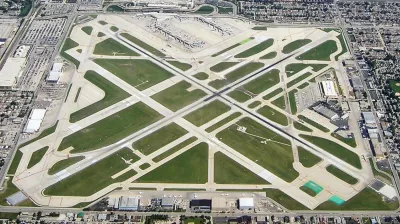 strategyMDWJFK
The Quiet-Slot Count Is the Airport Stat Nobody Checks
Midway logs 127 hourly slots under five minutes. JFK logs zero. This one number tells you more about an airport than its headline peak wait ever will.
FlyIndex Editorial strategySFOSJC
Use Immigration Wait Data to Pick Your International Flight
A year of CBP records shows the arrival hour often moves your customs wait more than the airport does. Use it to pick a landing time with a shorter line.
FlyIndex Editorial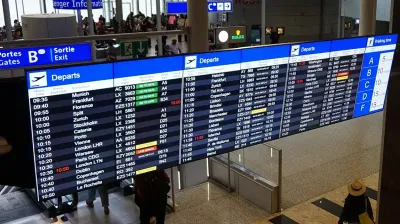 strategyLAXORD
How to Read a TSA Wait-Time Table Like an Analyst
A TSA wait-time table packs more than most travelers use. Find the peak, the quiet hours and the early-morning trap, then turn them into an arrival time.
FlyIndex Editorial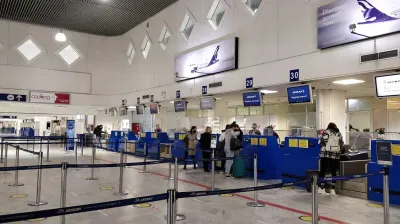 strategyJFKLAX
Is Global Entry Worth It? What the CBP Wait Data Shows
CBP data puts the average U.S. citizen's passport-control wait at 13 to 15 minutes at the biggest gateways, and flags the slow windows where Global Entry pays off.
FlyIndex Editorial strategyINDIAH
The 5 AM Trap: Airports Where Early Morning Is the Worst Time
The early-morning bank is the worst TSA window at a surprising number of airports. Indianapolis hits 63 minutes at 6 AM on Fridays; here's the full list.
FlyIndex Editorial strategyLAXMIA
The Red-Eye Is the Only Flight Without a Line
TSA data across major U.S. airports shows overnight hours are the quietest of the week. A red-eye trades sleep for an empty checkpoint at LAX, MIA, ORD and ATL.
FlyIndex Editorial